
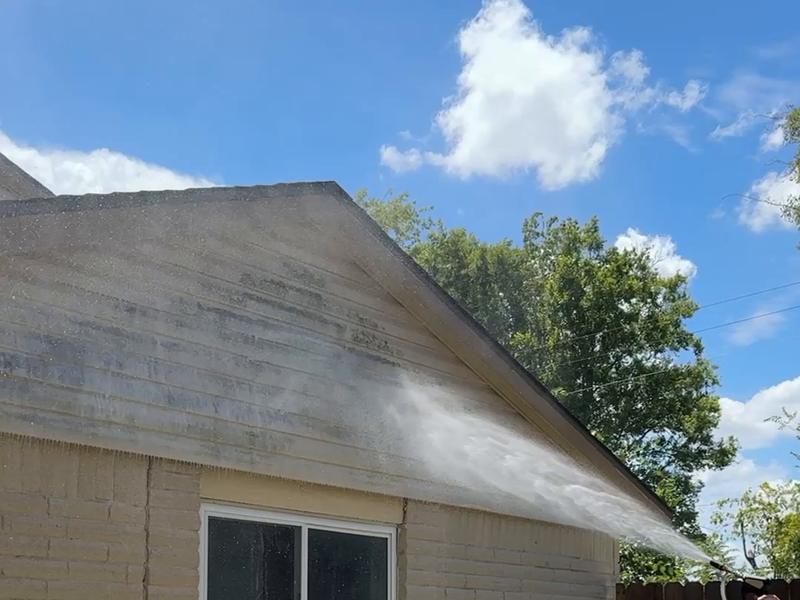
Soft Wash
Low pressure plus a cleaning solution that breaks down dirt, mildew and algae, then a gentle rinse. For siding, stucco, painted trim and shingle roofs.
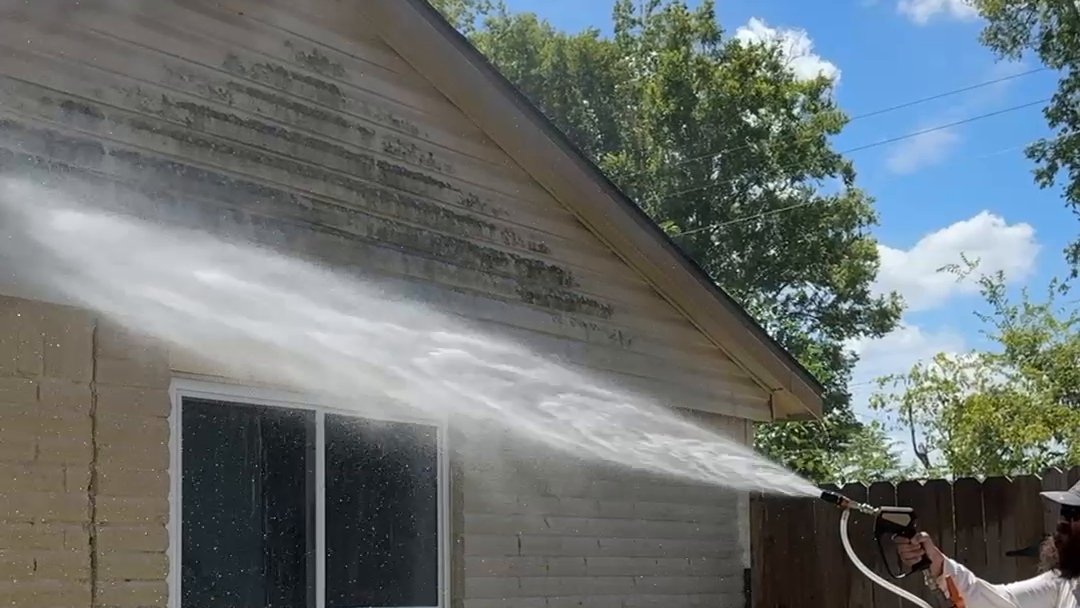
Low pressure plus a cleaning solution that breaks down dirt, mildew and algae, then a gentle rinse. For siding, stucco, painted trim and shingle roofs.
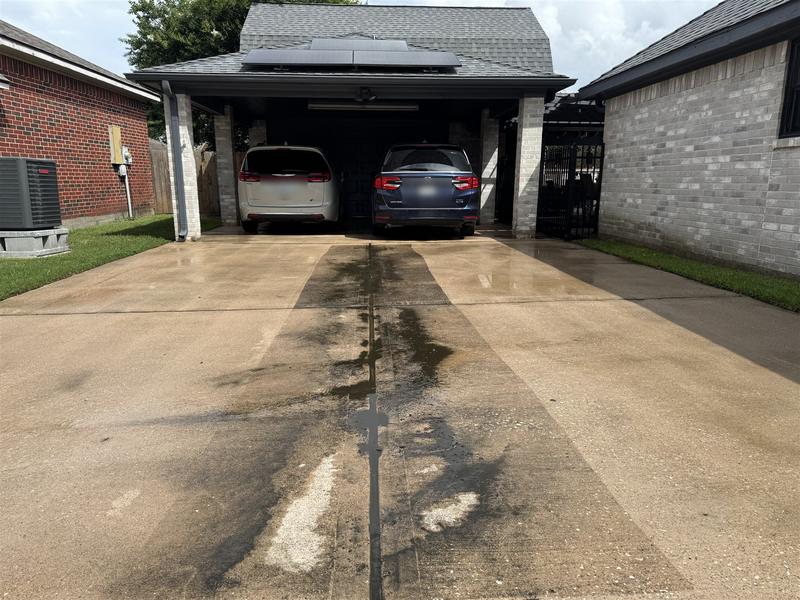
High-pressure water that strips built-up grime and stains from hard surfaces like concrete driveways, sidewalks and patios.
The two methods don't just use different amounts of pressure. They clean in different ways.
A pressure washer uses pressure as the stripping force that knocks dirt loose and flow as the rinsing power that carries it away (Mi-T-M). That's ideal for hard, durable surfaces. Consumer Reports notes that concrete driveways and walks can handle a powerful cleaning, while the same stream can damage paint and nick or etch wood (Consumer Reports).
A soft wash puts on a cleaning solution at low pressure, gives it time to work, then rinses it off gently. The solution does two jobs. Sodium hypochlorite is an oxidizer: CDC describes chlorine oxidizing cell components and notes that hypochlorites can remove dried or fixed organisms and biofilms from surfaces (CDC). On a house, that means organic growth like the algae, mildew and lichen that darken siding and roofs. A surfactant lowers water's surface tension so the solution spreads and clings, and it surrounds oily dirt so the rinse can carry it away (ACI). The roofing industry's own cleaning guidance follows the same pattern: apply, let it dwell, then rinse with low-pressure water (ARMA).
| Soft wash | Pressure wash | |
|---|---|---|
| What does the cleaning | Cleaning solution plus time | Water pressure and flow |
| Pressure on the surface | Low | High, within the surface's limits |
| Best for | Siding, brick, stucco, painted trim, shingle roofs | Concrete driveways, sidewalks, patios |
| Main risks if misused | Overspray on plants; solution drying before the rinse | Etching, stripped paint, water behind siding, granule loss |
Our soft wash goes on through an X-Jet nozzle, which mixes in the cleaning solution at the nozzle and can reach up to 40-plus feet from the ground, according to its maker (X-Jet). Concrete gets our 3,000 PSI, 5.5 GPM cold-water pressure washer with a 20-inch surface cleaner. ACE takes roof jobs, including tile and metal, when the roof can be cleaned safely. Ask us.
Go deeper: Does PSI really matter? · Why bleach alone doesn't clean · What dwell time means · Why mildew grows back · Why a roof should never be pressure washed · The dangers of etching
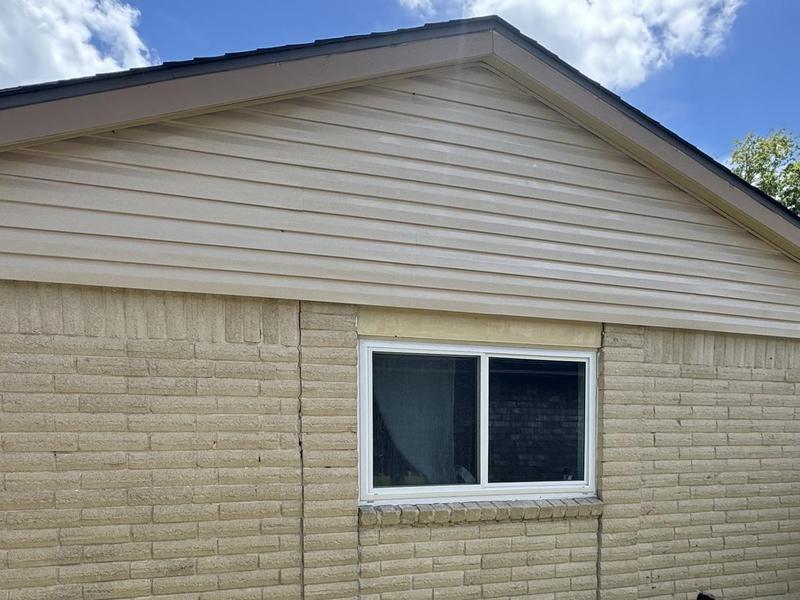
Soft wash
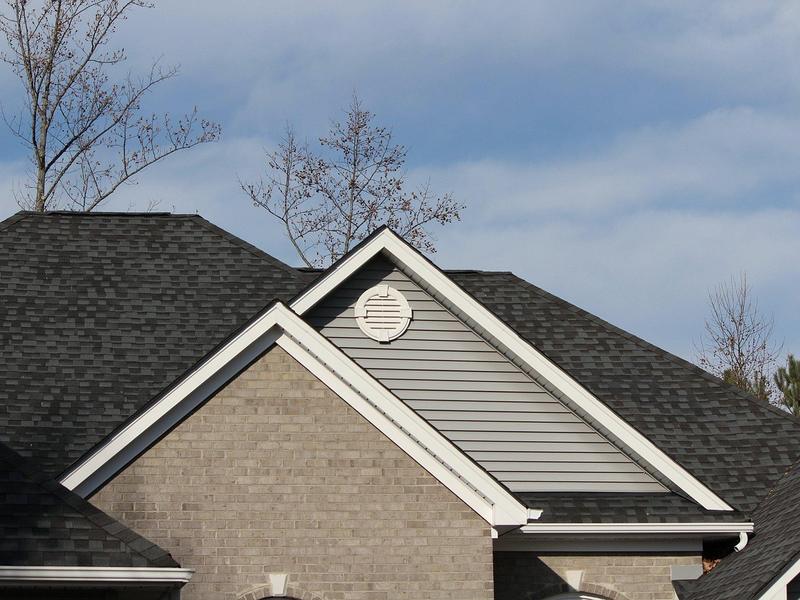
Soft wash, never high pressure
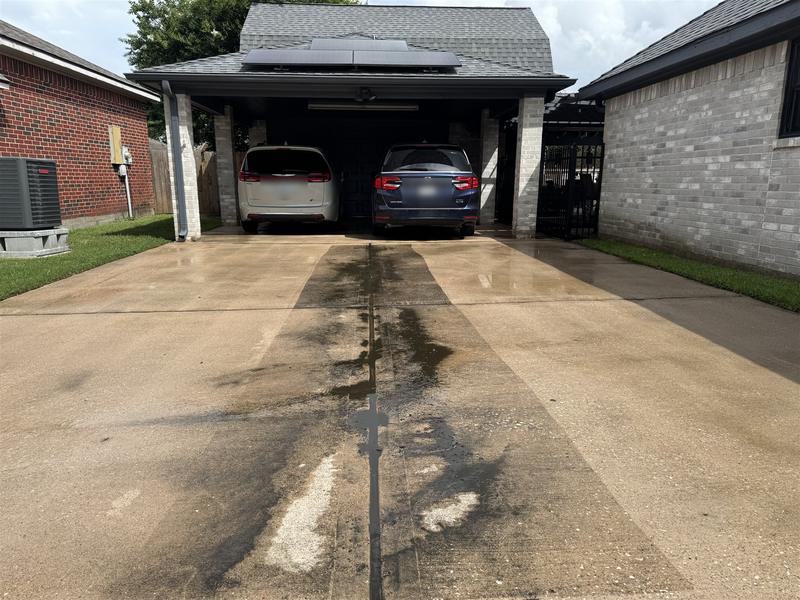
Pressure wash + surface cleaner · Free quote
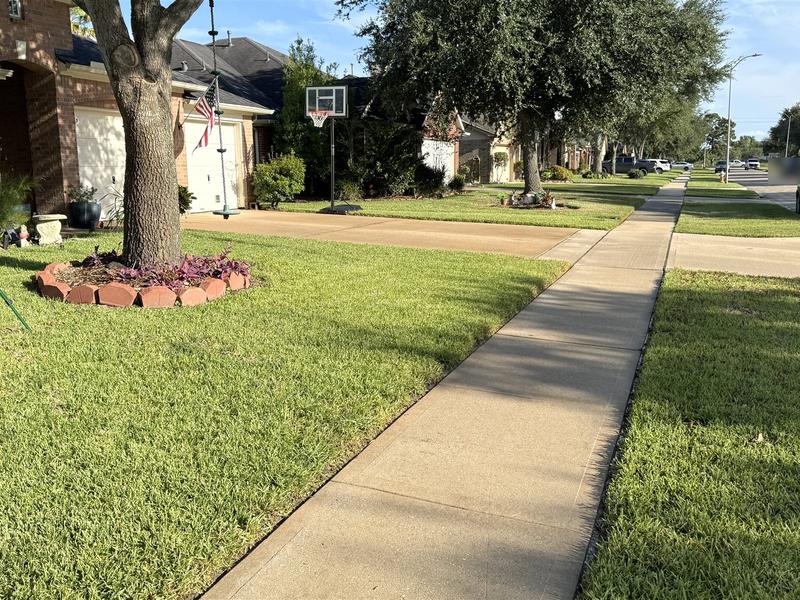
Usually pressure wash
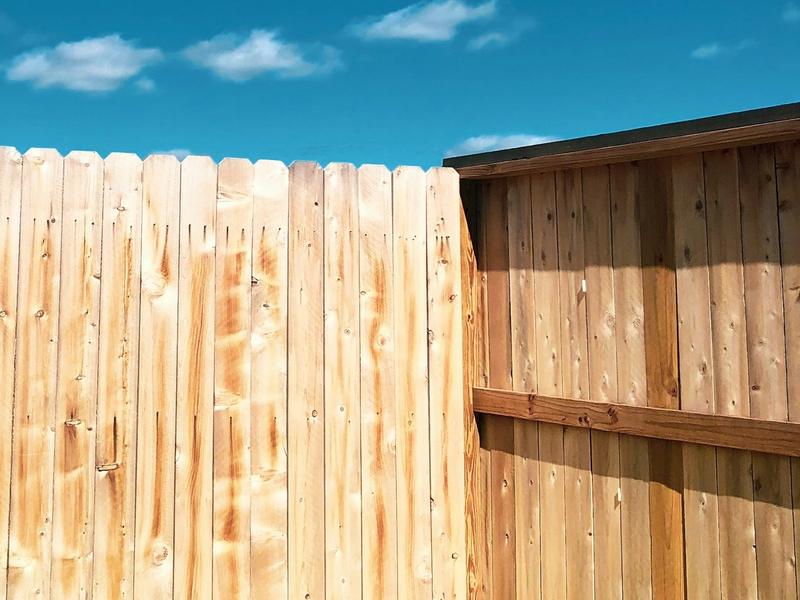
Depends on material & condition. We'll recommend it when we quote.
Drag the slider to compare.
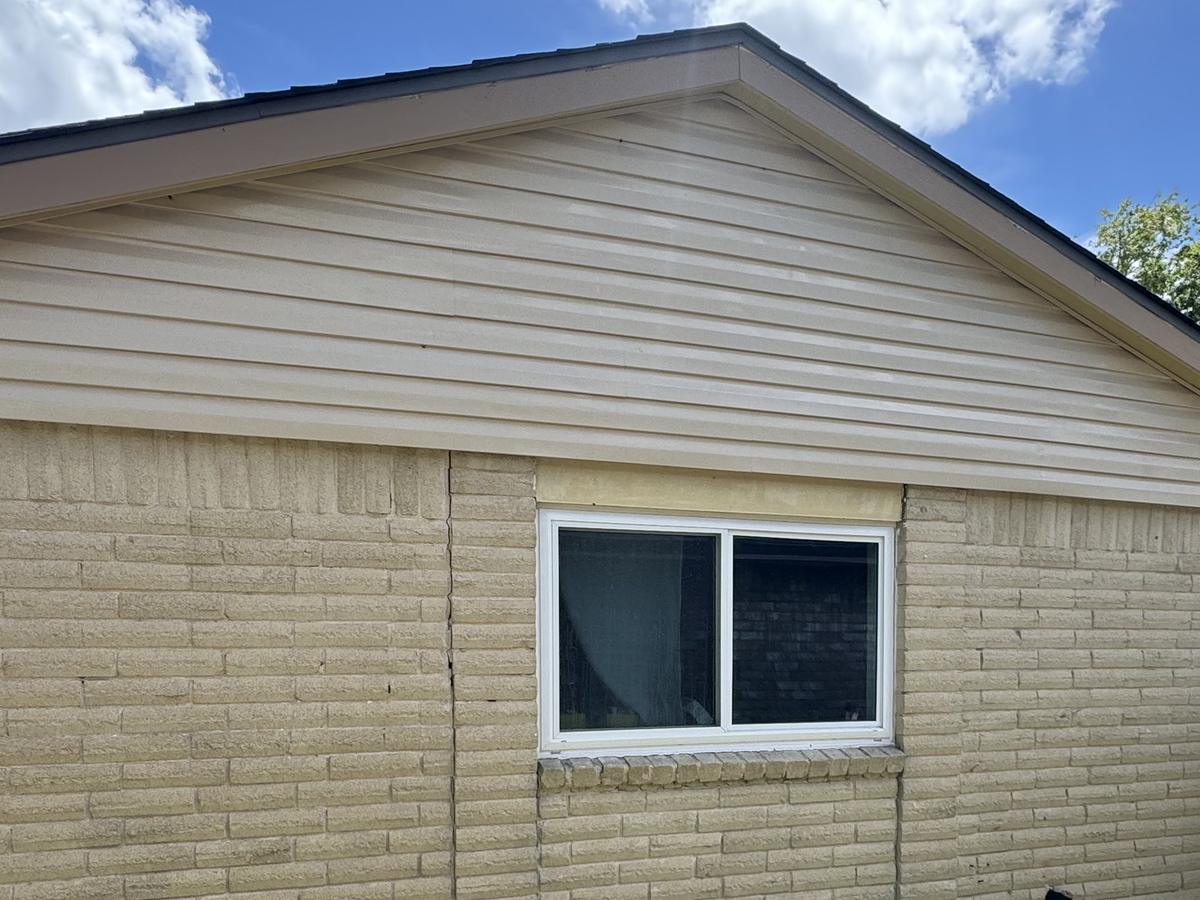
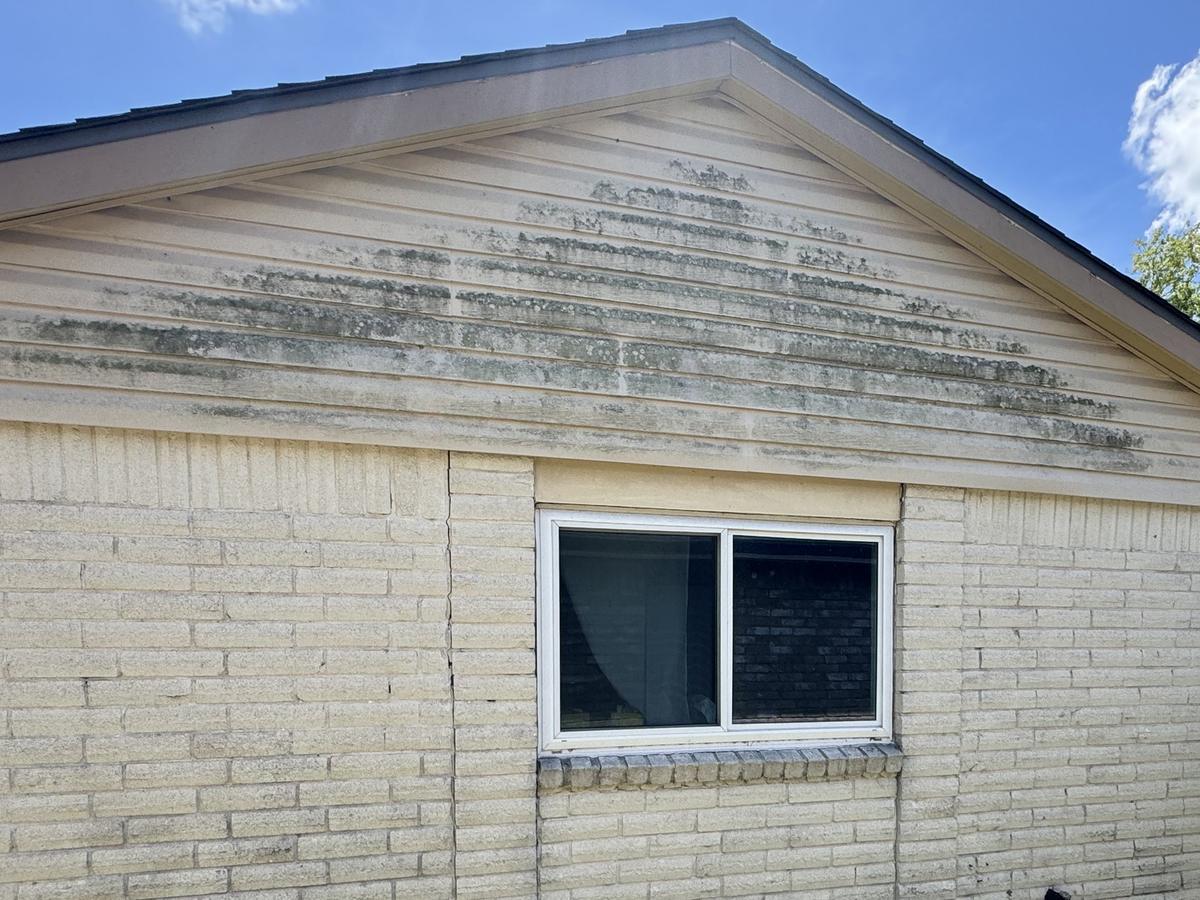
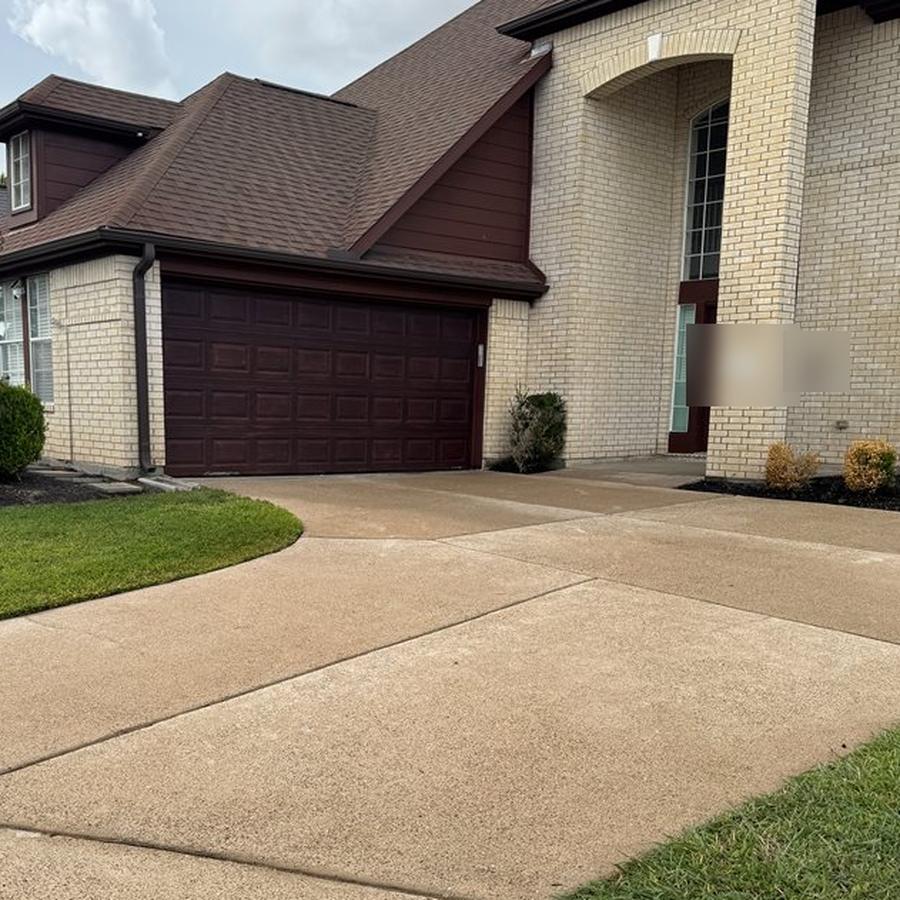
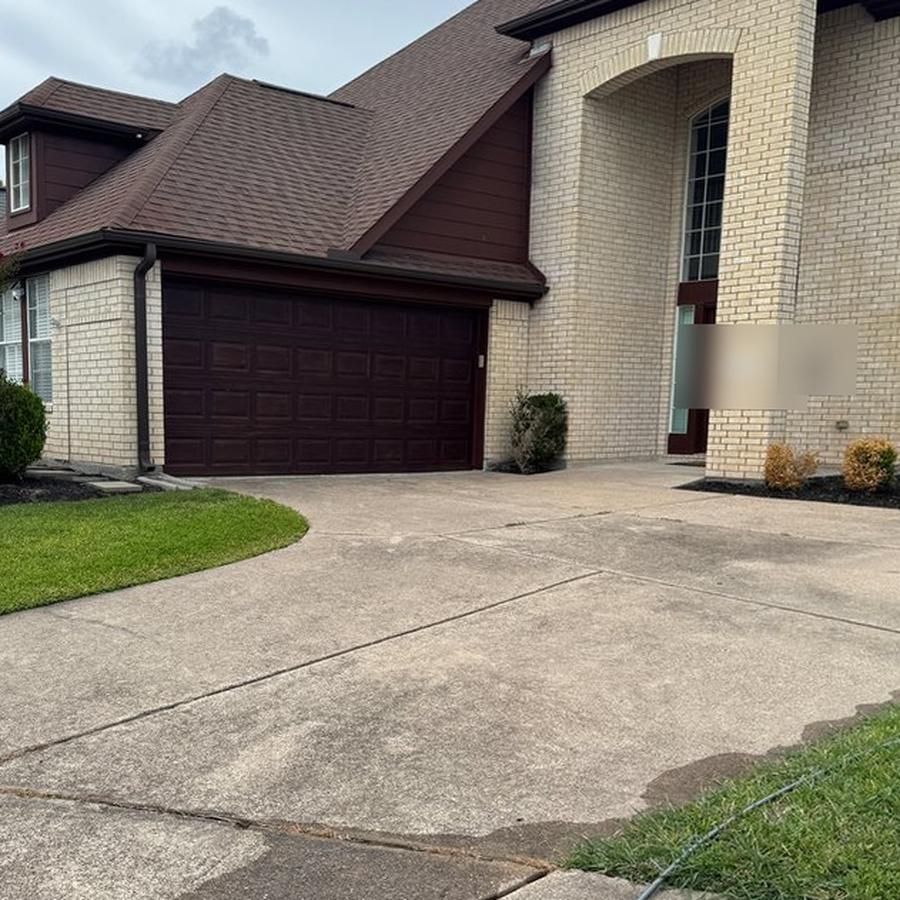
Heat and humidity help mildew and algae grow. High pressure can leave the growth behind and damage softer surfaces; a soft wash uses a cleaning solution that breaks the growth down so it rinses away. Our setup: 3,000 PSI, 5.5 GPM cold-water pressure washer, 20-inch surface cleaner and X-Jet soft wash system.
Keep learning: GPM vs PSI · Does PSI really matter? · Why some washes come back dirty · Black streaks on roofs · Soft wash chemicals, plants & pets · Can pressure washing cause damage? · All guides
Pressure washing cleans with force: high-pressure water strips grime off hard surfaces. Soft washing cleans with chemistry: a cleaning solution is applied at low pressure, left to work and rinsed off gently. Soft washing is used on siding, brick, stucco and shingle roofs; pressure washing on concrete.
No. Lower pressure is only part of it. In a soft wash the cleaning solution does the work: sodium hypochlorite breaks down organic growth like algae and mildew, and a surfactant helps the solution spread, cling and lift dirt so the rinse can carry it away.
No. The Asphalt Roofing Manufacturers Association says never to pressure wash an asphalt shingle roof, because it causes granule loss and very likely premature failure of the roof system. Roofs are soft washed instead.
Pressure washing. Concrete driveways and sidewalks can handle a powerful cleaning, and a surface cleaner keeps the pressure even.
Usually a soft wash. Siding makers limit pressure, and some discourage pressure washing entirely. A soft wash cleans mildew and algae with a solution and a gentle rinse instead of force.
Links checked October 19, 2026. This page is general information, not a substitute for your manufacturer's instructions or a product label.